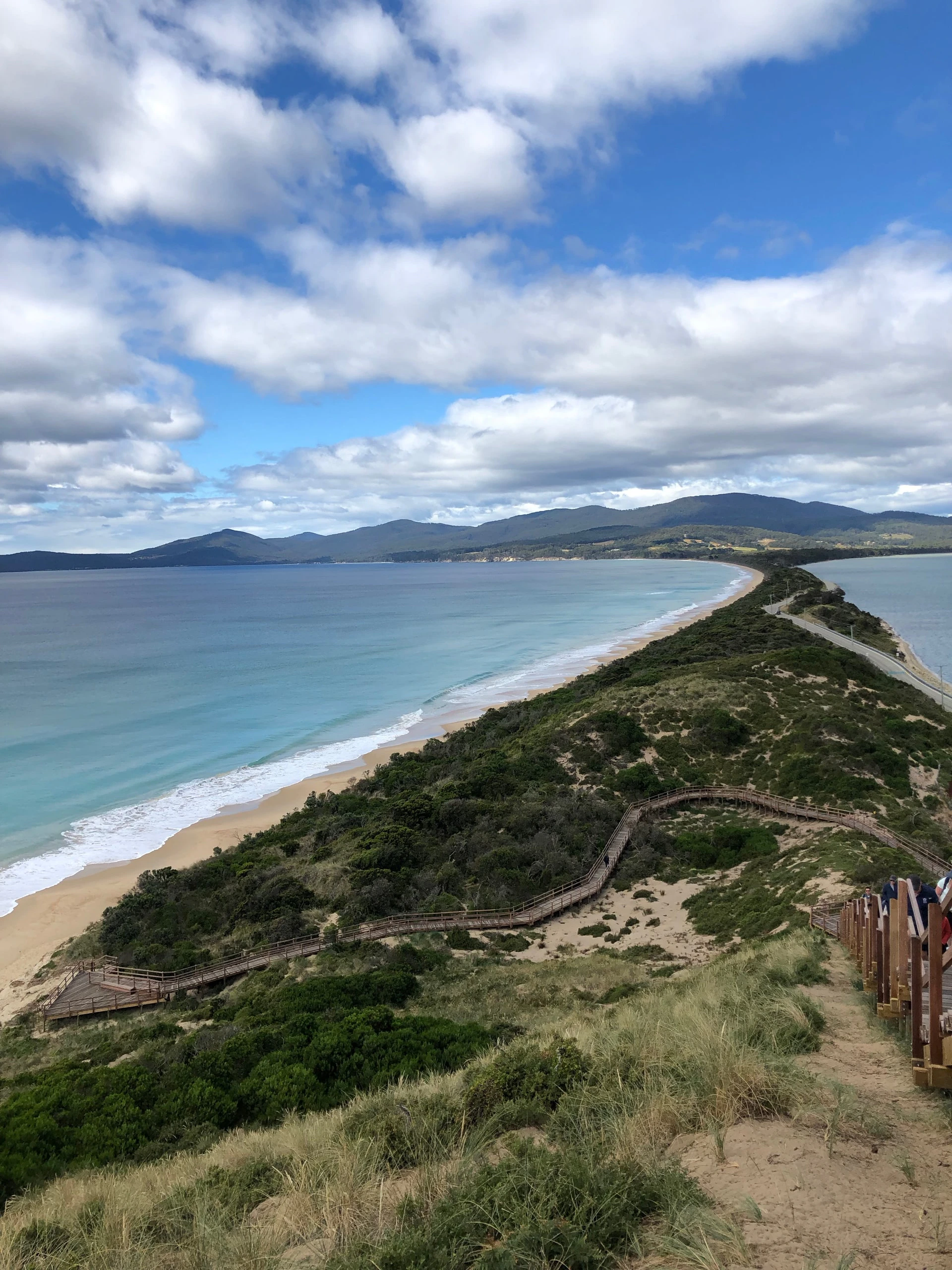
The Neck
This narrow isthmus connects North and South Bruny Island and features a staircase providing elevated views of the coastline.
Climb the stairs at dawn to see the narrow land bridge.

Bruny Island sits a short crossing off south-east Tasmania, and its reputation runs wider than most day-trippers expect. This what is Bruny Island famous for guide sets out what the island is actually known for, what it costs to set foot on it, and how much daylight a first visit realistically needs.
Quick answer
Bruny Island is famous for its dolerite sea cliffs, its wildlife, and its small-batch food producers — and entry is free, at 0 AUD, though South Bruny National Park requires a pass. The island is really two landmasses joined by a narrow isthmus, so distances are longer than the map suggests. Arriving between 07:10 and 16:00 leaves room to cover them.
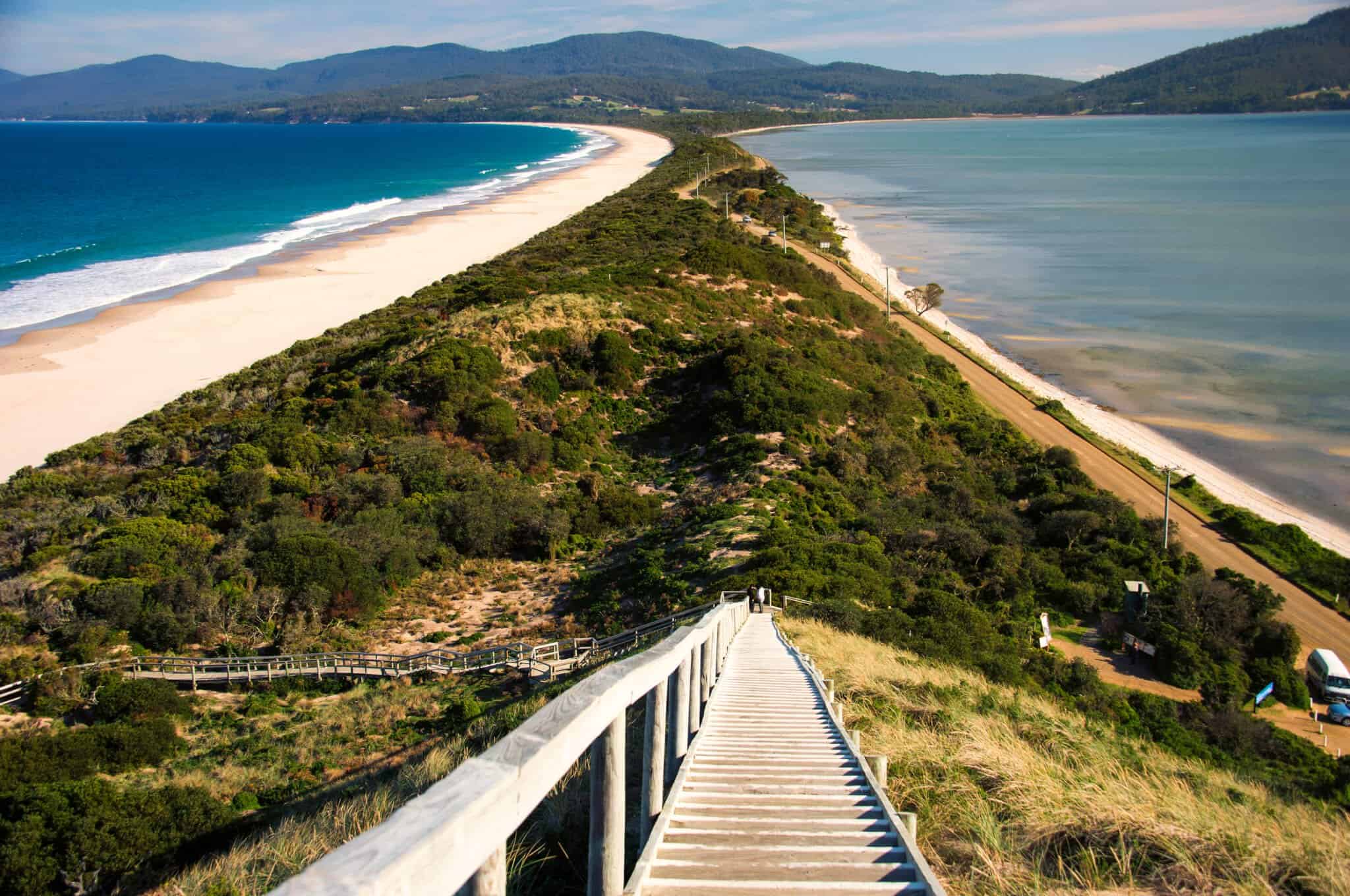
Bruny Island is not one island but two, stitched together by a sand isthmus barely a few hundred metres wide. Stand on the timber steps above The Neck and the Tasman Sea sits on one side, the D'Entrecasteaux Channel on the other. That geography explains almost everything about the place: the fur seal colonies, the towering coastal formations at Cape Bruny, the sheltered bays where oysters grow. Ask what is Bruny Island famous for and the honest answer is that no single landmark carries the island — its reputation is cumulative, built from a dozen small things spread across 100 kilometres of road. Visitors usually arrive with one image in mind and leave with several. Some come for the sea cliffs and the Cape Bruny Lighthouse, one of Australia's oldest continuously staffed light stations. Others come for the white wallabies, a rare leucistic population found almost nowhere else. Plenty come simply to eat, working their way along the road between Dennes Point and Adventure Bay. A Bruny Island day trip that tries to do all three tends to run out of afternoon. The island rewards editing: choose the south for wilderness and lookouts, the north for shorter drives and channel views. The practical context matters more than most guides admit. The island itself is free to enter, and Bruny Island landmarks are mostly open coastline rather than gated attractions. What limits a visit is time on the road and the rhythm of the crossings from Kettering. Roads on the southern half turn to gravel, speeds drop, and the drive from the ferry terminal to the lighthouse is longer than the distance implies. Arriving between 07:10 and 16:00 gives enough margin to explore before return crossings begin filling. What is Bruny Island famous for, then, is best answered by what a visitor plans to do with the day. Photographers head for The Neck at first light. Walkers take the Fluted Cape circuit above Adventure Bay. Those drawn to the water look to the sea caves and blowholes along the southern coast, best seen from the channel rather than the clifftop. The island's official information sits at brunyisland.org.au, and the sections that follow break down the sights, the producers, the crossing, and the park pass in detail. Read this page as the map; read those as the itinerary.
“The island rewards editing: choose the south for wilderness and lookouts, the north for shorter drives and channel views.”
Bruny Island is defined by its narrow isthmus and diverse ecosystems that support rare wildlife populations. It serves as a significant site for observing endemic species in their natural habitats.
This narrow sandy isthmus connects North and South Bruny Island and provides a crucial habitat for burrowing birds. Visitors often traverse the timber stairs here to view the surrounding coastline and native vegetation.
The Neck is a protected nesting site for little penguins that return to their burrows at dusk. These small seabirds are frequently observed along the shoreline throughout the breeding season.
Known as muttonbirds, these migratory seabirds also utilize the sandy dunes of The Neck for nesting. They arrive in large colonies during the warmer months after traveling long distances.
This rare and endangered bird species maintains a population on Bruny Island, primarily within the white gum forests. It is one of Australia's most localized bird species, rarely found elsewhere.
Bruny Island possesses a unique population of white morph Bennett’s wallabies. These animals are a genetic variation of the common wallaby rather than a separate species or albino.
The island's isolation from the Tasmanian mainland has fostered a distinct environment for flora and fauna. Researchers utilize these conditions to study species that have evolved in geographical seclusion.
Bruny Island features a range of distinct landmarks, from rugged coastal formations to historic structures. These sites highlight the diverse landscape found across both the north and south of the island.
This narrow isthmus connects North and South Bruny Island and features a staircase providing elevated views of the coastline.
Climb the stairs at dawn to see the narrow land bridge.
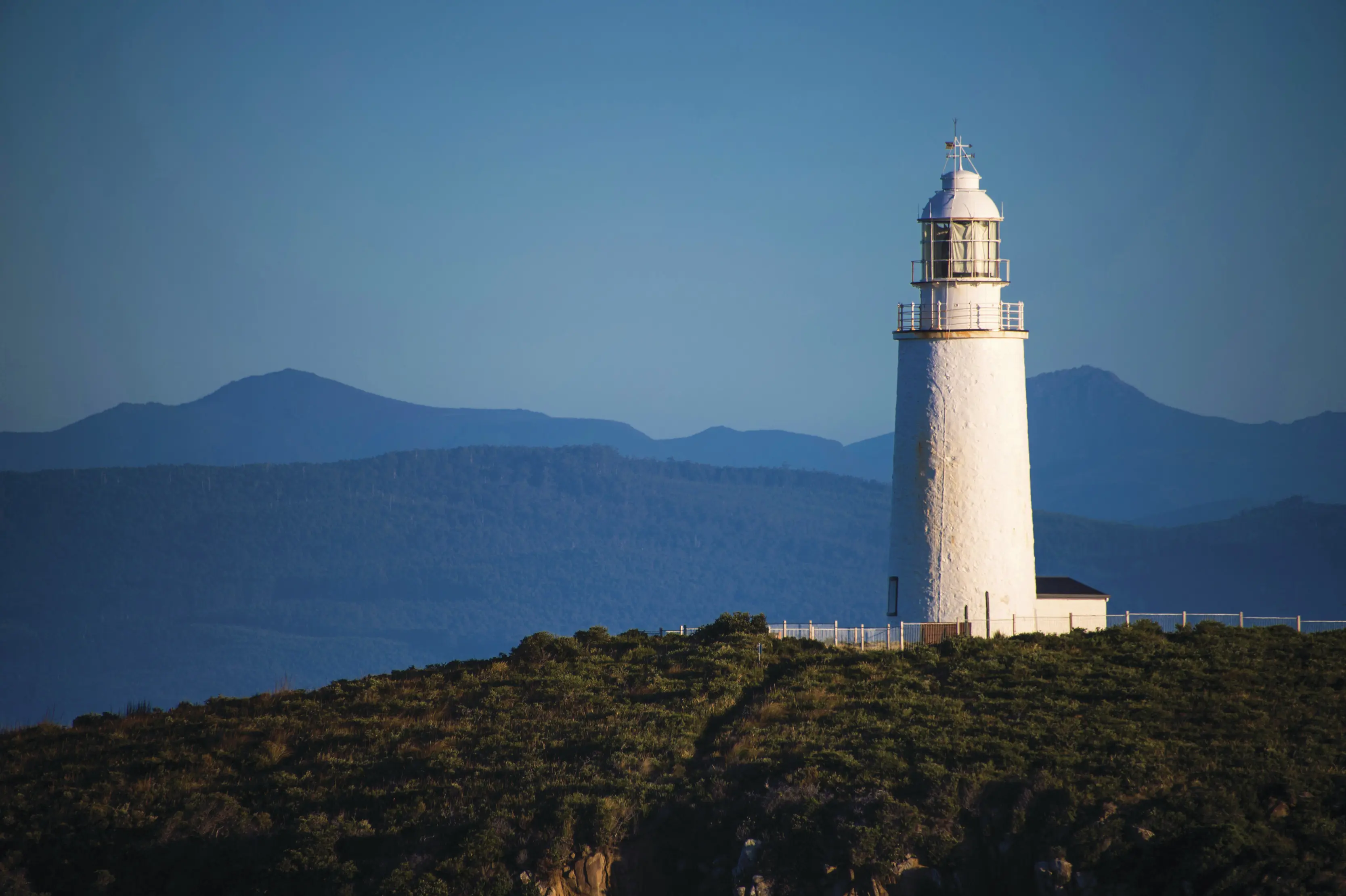
Situated within the southern reaches of the island, this lighthouse stands over the rugged Tasman Sea cliffs.
Visit during late afternoon to observe the changing light on cliffs.
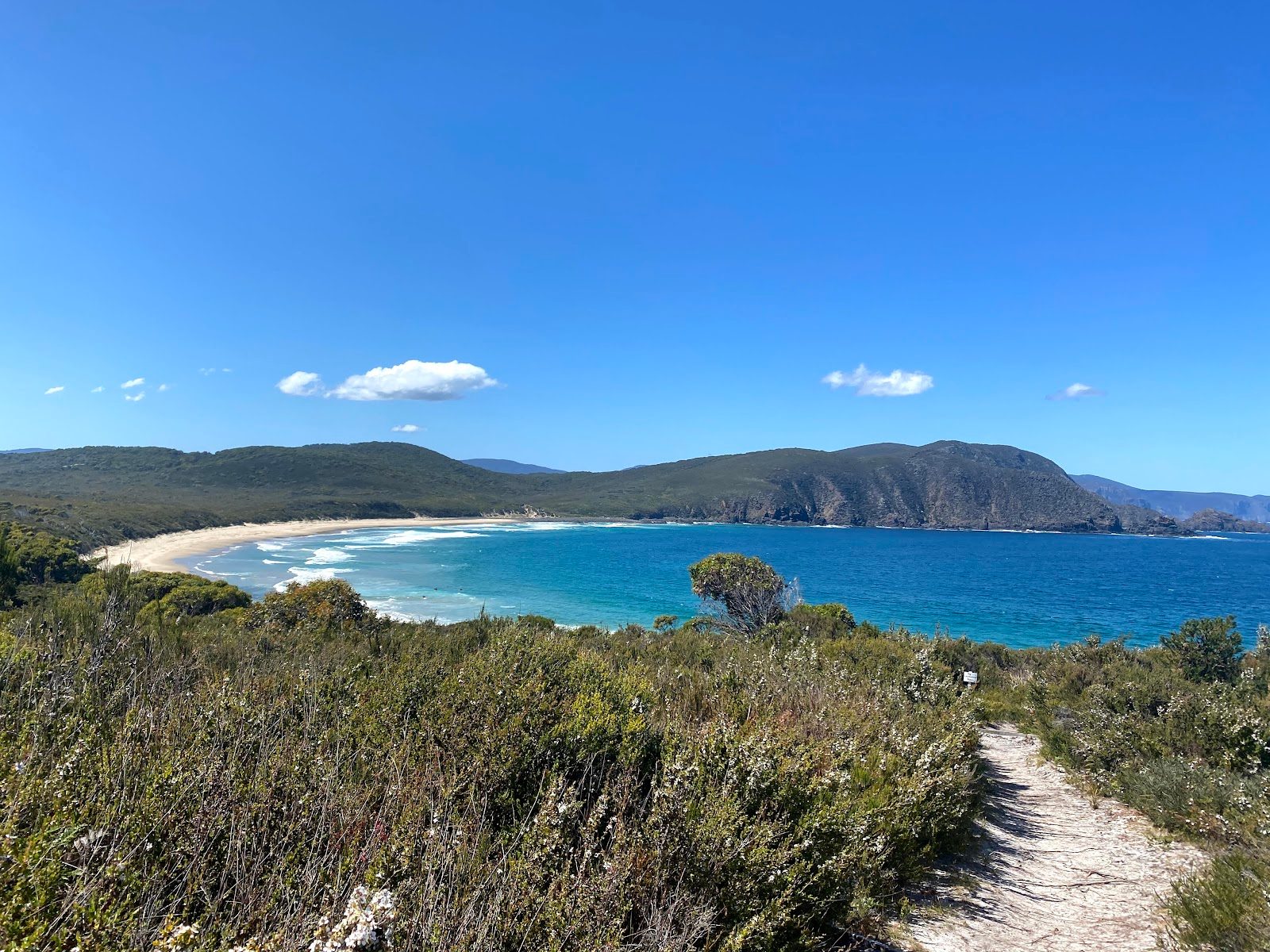
This protected area encompasses diverse environments including coastal cliffs, beaches, and eucalypt forests.
Explore the walking tracks during the recommended arrival window.
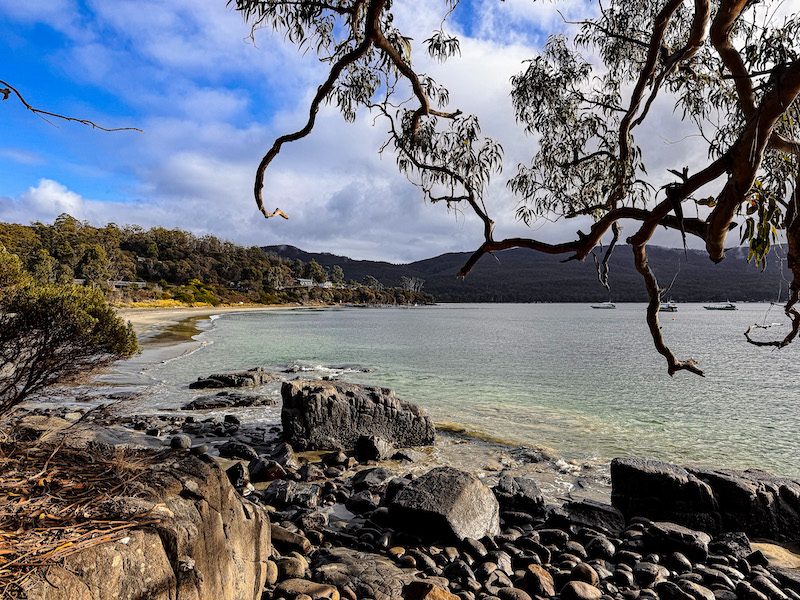
Located on the eastern side of the island, this bay has a history of maritime exploration and calm waters.
Walk the beach in the morning when the tide is low.
Bruny Island maintains a reputation for cool-climate produce, centered on small-batch operations that highlight local ingredients. Visitors can sample items directly at farm gates or assemble a picnic from roadside providores to enjoy in natural settings.
restaurant
Located near the ferry terminal, this venue specializes in oysters harvested from the surrounding waters.
picnic
Situated in Great Bay, this producer offers handcrafted cheeses and wood-fired bread suitable for takeaway.
café
Found on the main road towards Adventure Bay, this location serves chocolate and fudge produced on the premises.
restaurant
Located near the Neck, this venue focuses on Tasmanian single malt whiskies and regional food pairings.
restaurant
Found in Lunawanna, this vineyard offers cool-climate wines and seasonal meals overlooking the vines.
Bruny Island is located off the south-eastern coast of Tasmania. The only way to access the island is by the vehicle ferry that departs from Kettering.
Drive 35km south from Hobart via B68 to the Kettering Ferry Terminal
SeaLink Bruny Island Ferry from Kettering Terminal to Roberts Point
The best arrival window is 07:10–16:00 to avoid peak ferry queues and allow sufficient time to explore the island before return crossings.
Bruny Island ferry services operate seven days a week, with specific schedules for weekdays and weekends. Planning your visit according to these times helps ensure smooth travel to and from the island.
Access to Bruny Island is free of charge, though visitors entering the South Bruny National Park are required to hold a valid national park pass. Costs for these passes vary depending on the duration of your stay and your residency status.
Verdict: A typical adult pays 0 AUD to enter the island, with total costs depending solely on the specific national park pass purchased for park access.
Everything you need to know about what is bruny island famous for
Bruny Island is famous for its diverse coastal landscapes, rugged wilderness, and local food scene. Visitors often flock here to experience the unique geological formations and pristine environment of this Tasmanian gem. Understanding what is Bruny Island famous for helps travelers plan their itinerary around wilderness cruises and coastal walks. Exploring this destination allows guests to appreciate the local landmarks and environmental heritage that define the island experience.
Entry to the island itself is 0 AUD. However, a national park pass is required for South Bruny National Park to help maintain these protected areas. Travelers wondering what is Bruny Island famous for should ensure they have the appropriate documentation before entering the park.
The best arrival window is 07:10–16:00 to avoid peak ferry queues and allow time to explore before return crossings. Arriving during this period provides a better experience for those researching what is Bruny Island famous for in relation to local coastal activities. Planning around these hours helps ensure a smoother trip across the channel.
The island is known for features like the Neck, a narrow isthmus connecting north and south, and diverse geological history. These sights provide a look at what is Bruny Island famous for regarding natural scenery and photography opportunities. Many visitors utilize tours to reach these points and learn about the local geography.
No, a national park pass is required for entry into South Bruny National Park. While the island itself is free to access, this specific pass is mandatory for the park's protected areas. This requirement is a key logistical detail when considering what is Bruny Island famous for and how to prepare for your visit.
The island is renowned for its dramatic dolerite cliffs, sea caves, and abundant marine life. These features highlight what is Bruny Island famous for and draw visitors interested in wilderness excursions. The coastal environment supports a variety of species that define the regional ecology.
Yes, the island provides opportunities to spot seals, dolphins, and various bird species in their natural habitat. Many visitors inquire what is Bruny Island famous for to find the best spots for wildlife viewing. The remote, untamed coastline remains a significant draw for nature enthusiasts.
Bruny Island Cruise with Bus Transfer
Read more Tickets & tours3 Hour Bruny Island Cruise
Read more Tickets & toursBruny Island Eco Cruise
Read more Tickets & toursBruny Island Wilderness Coast Eco Cruise with Lunch
Read more GuideBruny Island Wilderness Cruise Reviews
Read more GuideBruny Island vs Tasman Island Cruises
Read more Tickets & toursBruny Island Wilderness Cruise from Hobart
Read more Tickets & toursBruny Island Wilderness Cruise from Adventure Bay
Read more